
Plantar Fasciitis Treatment servicing the areas of Norwalk, Stamford, New Canaan, and Darien, CT.
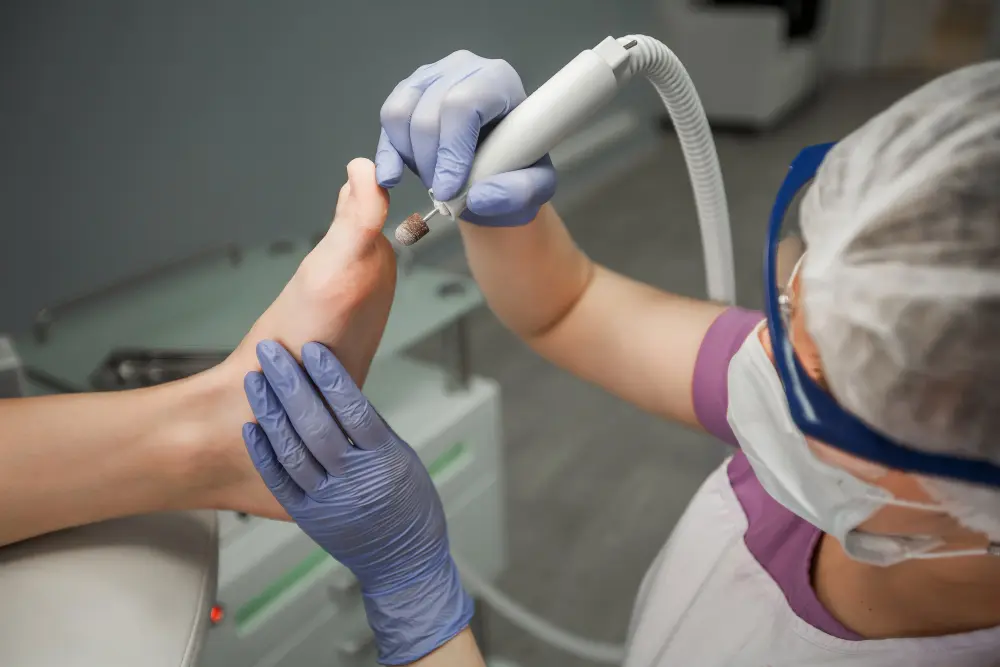
Plantar Fasciitis Laser Treatment
Plantar fasciitis relief at the speed of light. Laser therapy is a safe, non-invasive treatment that reduces inflammation, eases plantar fascia stress, and improves foot and heel function with minimal risk. This advanced therapy promotes natural healing, alleviates heel and arch pain, and enhances mobility.
If you want effective relief from plantar fasciitis symptoms and improved foot health, call 203-656-3636 today.
Plantar Fasciitis Treatment Techniques at Core Health Darien
At Core Health Darien, plantar fasciitis care is personalized to each patient's needs. Dr. Brian McKay combines proven chiropractic methods with advanced therapies to relieve plantar fascia stress and restore mobility. Treatments often include:
- Foot and Lower Extremity Adjustments – Gentle realignment of the foot, ankle, and knee to reduce stress on the plantar fascia and improve function.
- Active Release Technique – A specialized soft tissue method that releases muscle adhesions, reduces scar tissue, and relieves tension in the plantar fascia and calf muscles.
These safe, non-invasive approaches provide lasting relief from plantar fasciitis pain and help restore quality of life.
Why is Core Health Your Best Chiropractic Choice?
Our immediate goal is to address the patients needs on a priority basis. It is vital to work within their comfort levels. A patient needs to be respected 100%. By that it is also important that our staff respect a patients time and money at all times.
We try to provide treatment that is safe, comfortable, and effective. When we are unable to deliver care that the patient responds to we will refer them out to the appropriate specialist. This is a standard approach that has worked out well and continues to do so.

Our immediate goal is to address the patients needs on a priority basis. It is vital to work within their comfort levels. A patient needs to be respected 100%. By that it is also important that our staff respect a patients time and money at all times.
We try to provide treatment that is safe, comfortable, and effective. When we are unable to deliver care that the patient responds to we will refer them out to the appropriate specialist. This is a standard approach that has worked out well and continues to do so.
Years Ago
Patients Helped
5 Star Reviews
Malpractice Suits
Ready to start feeling better?
The team at Core Health Darien is here to answer all your questions and help you start your journey to pain relief and improved mobility. Whether you want to schedule an appointment, ask about our treatments, or need directions, we make it easy to connect.

Plantar Fasciitis
Plantar fasciitis occurs when the plantar fascia, a thick band of tissue connecting the heel to the toes, becomes inflamed or strained, often from overuse, improper footwear, or biomechanical issues. This can cause sharp, stabbing heel pain, especially with the first steps in the morning or after rest. While conventional treatments often rely on rest, orthotics, or injections, chiropractic care offers a safe, effective alternative to manage symptoms.
Chiropractic Care for Plantar Fasciitis
Plantar fasciitis can cause sharp, stabbing heel pain, arch discomfort, or stiffness that affects the foot and walking, interfering with daily activities. While many rely on rest, orthotics, or injections, chiropractic care provides a safe, effective alternative or complement to traditional treatments. This section explains what chiropractic care is, how it helps plantar fasciitis, and what to expect during a session.
What is chiropractic care for plantar fasciitis?
Chiropractic care focuses on diagnosing and treating musculoskeletal issues that stress or inflame the plantar fascia. Chiropractors identify foot misalignments, ankle dysfunction, or tight calf muscles that contribute to plantar fascia strain.
Techniques often include foot and lower extremity adjustments, soft tissue therapy, instrument-assisted techniques, and therapeutic exercise. These methods restore alignment, reduce fascia stress, and improve foot and ankle function.
How does chiropractic care help plantar fasciitis?
Plantar fasciitis occurs when the plantar fascia is stressed or inflamed, causing pain and restricted movement. Chiropractic adjustments and soft tissue therapy relieve stress on the fascia, reduce inflammation, ease pain, and improve foot function. Many patients experience noticeable relief without relying on medication or injections.

How Do I Know if I Have Plantar Fasciitis?
Plantar fasciitis causes more than typical foot discomfort. It often leads to sharp, stabbing pain in the heel or arch, especially with the first steps after waking or after prolonged sitting. Symptoms may worsen when walking barefoot, climbing stairs, or standing for long periods.
If you experience heel pain that improves with movement but returns after rest, burning sensations in the arch, or difficulty walking due to foot pain, you may have plantar fasciitis. Pain typically decreases as the foot warms up but returns after activity.

Plantar Fasciitis Darien
Plantar fasciitis can significantly affect your life, causing sharp, stabbing heel pain or arch discomfort that limits mobility and daily function. Many suffer needlessly while treatments only mask symptoms instead of addressing the underlying fascia stress.
Plantar fasciitis pain usually results from stress on the plantar fascia, often due to overuse, improper footwear, tight calf muscles, or foot misalignment. Traditional treatments often rely on rest, ice, orthotics, and anti-inflammatory medications rather than restoring proper foot mechanics naturally.
At Core Health Darien, chiropractic care focuses on foot and lower extremity alignment to reduce plantar fascia stress.
How We Treat Plantar Fasciitis
When asked how chiropractors treat plantar fasciitis, the answer focuses on relieving stress on the plantar fascia and restoring proper foot mechanics. Think of it like a stretched rubber band under constant tension—when repeatedly stressed, it becomes inflamed and painful.
Chiropractors use precise foot, ankle, and knee adjustments, soft tissue therapies, and corrective exercises to relieve stress on the plantar fascia, improve biomechanics, and restore proper movement patterns. This helps reduce pain, inflammation, and stiffness while improving foot function.

Main Cause of Plantar Fasciitis Pain
Most plantar fasciitis pain comes from stress or inflammation of the plantar fascia, often due to overuse, improper footwear, tight calf muscles, or biomechanical imbalances. This stress causes microscopic tears and inflammation in the fascia, resulting in heel and arch pain.
The foot, ankle, knee, and hip work together to distribute weight and absorb impact during walking and standing. When alignment is off or muscles are tight, excessive stress concentrates on the plantar fascia, worsening symptoms and prolonging healing.
Think of the plantar fascia like a bowstring under constant tension—when overstretched repeatedly, it causes sharp pain and functional problems. Restoring proper alignment and reducing tension helps relieve pain and improve mobility.
Plantar Fasciitis Relief with Chiropractic Care
Did your doctor explain how stress affects plantar fasciitis pain? Physical, chemical, and emotional stress impacts everyone. Stress triggers hormone releases like adrenaline, cortisol, and norepinephrine, which affect how the body responds to pain and inflammation.
Chronic stress keeps these hormones elevated, increasing muscle tension and inflammation, worsening sharp, stabbing heel pain or arch discomfort.
Chiropractic care helps by restoring foot, ankle, and knee alignment, relieving plantar fascia stress, and promoting circulation to damaged tissues. This approach promotes natural healing, reduces pain, and improves mobility for those suffering from plantar fasciitis.
What are the Main Types of Plantar Fasciitis?
Classic Plantar Fasciitis
This type occurs when the plantar fascia becomes inflamed from overuse or repetitive stress. Symptoms typically affect one foot but can occur in both. Common signs include:
- Sharp, stabbing heel pain with first steps
- Pain that improves with movement
- Heel tenderness when pressing on the bottom of the foot
- Pain that worsens after prolonged standing or activity


Plantar Fasciitis with Heel Spurs
Plantar fasciitis can develop alongside heel spurs, bony growths on the heel bone caused by chronic fascia tension. Symptoms may include:
- Persistent heel pain
- Sharp pain when bearing weight
- Visible bony protrusion on imaging
- Pain that may be more resistant to treatment
Common Plantar Fasciitis Stages
Early Stage of Plantar Fasciitis Symptoms
Initially, symptoms may be mild and mistaken for general foot soreness. Patients might notice occasional heel discomfort or stiffness, especially in the morning. Early signs can persist for weeks before worsening.
Inflammation Stage of Plantar Fasciitis Symptoms
As stress on the plantar fascia increases, pain becomes more intense and frequent. Sharp, stabbing sensations in the heel with first steps become characteristic. Pain may improve during the day but return after rest or prolonged standing.
Severe Pain Stage of Plantar Fasciitis Symptoms
Pain becomes constant and debilitating, affecting all weight-bearing activities. Sharp, burning, or aching sensations make walking, standing, and climbing stairs extremely difficult. Morning pain may last longer, and everyday tasks become challenging.
Recovery or Chronic Stage of Plantar Fasciitis Symptoms
With chiropractic care, stretching, and proper footwear, many patients experience gradual pain relief and improved function. Chronic pain may persist if fascia damage continues without treatment. Maintaining proper foot mechanics, stretching routines, and follow-up care is crucial for long-term relief.
Plantar fasciitis FAQ's
Plantar fasciitis is inflammation or irritation of the plantar fascia, a thick band of tissue running along the bottom of the foot from the heel to the toes. It causes sharp, stabbing heel pain, especially with the first steps in the morning.
Proudly Serving Fairfield County
Core Health is honored to care for patients throughout lower Fairfield County, including:
Core Health Darien - Dr. Brian McKay
business hours:
Monday
7 am–12 pm, 3–6:30 pm
Tuesday
Closed
Wednesday
7 am–12 pm
Thursday
3–6:30 pm
Friday
7 am–12 pm
Saturday
9–11 am
Sunday
Closed
Contact number:
Address:
551 Post Road, Darien, CT